














Understanding the Key Differences Between Subterranean Termites and Drywood Termites
- Absolute Pest Control Hawaii PCO#1409
- Mar 12
- 3 min read
Termites cause billions of dollars in damage every year, yet many homeowners and property managers struggle to identify which type of termite is invading their space. Knowing the difference between subterranean termites and drywood termites can save you time, money, and frustration when it comes to treatment and prevention. This post breaks down the key differences between these two common termite species, helping you spot the signs early and take the right action.

Habitat and Nesting Behavior
The most obvious difference between subterranean and drywood termites lies in where they live and build their nests.
Subterranean termites live underground in large colonies. They build mud tubes to travel from their nest to food sources above ground. These tubes protect them from drying out and predators.
Drywood termites live inside dry wood, such as furniture, structural beams, or dead trees. They do not require contact with soil and create small tunnels inside the wood where they nest.
Because subterranean termites need soil contact, they often enter homes through cracks in the foundation or wood that touches the ground. Drywood termites can infest wood anywhere, even high up in attics or furniture, making them harder to detect early.
Physical Characteristics
While both types of termites share a similar pale, soft-bodied appearance, there are subtle differences:
Subterranean termites are usually smaller, about 1/8 inch long, with darker heads and lighter bodies. Their wings, when present, are equal in size and shape.
Drywood termites tend to be slightly larger and have more uniform coloring. Their wings are longer than their bodies and have a distinct vein pattern.
Soldier termites from each species also differ. Subterranean termite soldiers have large, dark mandibles used for defense, while drywood termite soldiers have smaller, less pronounced jaws.
Signs of Infestation
Recognizing termite activity early can prevent costly damage. Here’s what to look for:
Subterranean Termites
Mud tubes on walls, foundations, or wood surfaces. These tubes are about the width of a pencil and are used for travel.
Swarmers (winged reproductive termites) emerging near the ground or windows, especially in spring.
Hollow-sounding wood when tapped, indicating internal damage.
Frass (termite droppings) is usually absent because subterranean termites push waste out of the colony.
Drywood Termites
Frass piles near infested wood. These look like tiny wood pellets and accumulate below exit holes.
Swarmers inside the home, often near windows or light sources.
Small holes in wood surfaces where termites exit.
Wood damage that appears blistered or honeycombed.
Because drywood termites live entirely inside wood, their damage is often hidden until it becomes severe.
Treatment Approaches
Treatment methods vary significantly between these two termite types due to their different habits.
Subterranean termites require soil treatments, baiting systems, or liquid termiticides applied around the foundation to create a barrier. Professional pest control companies often drill into concrete slabs to inject termiticides.
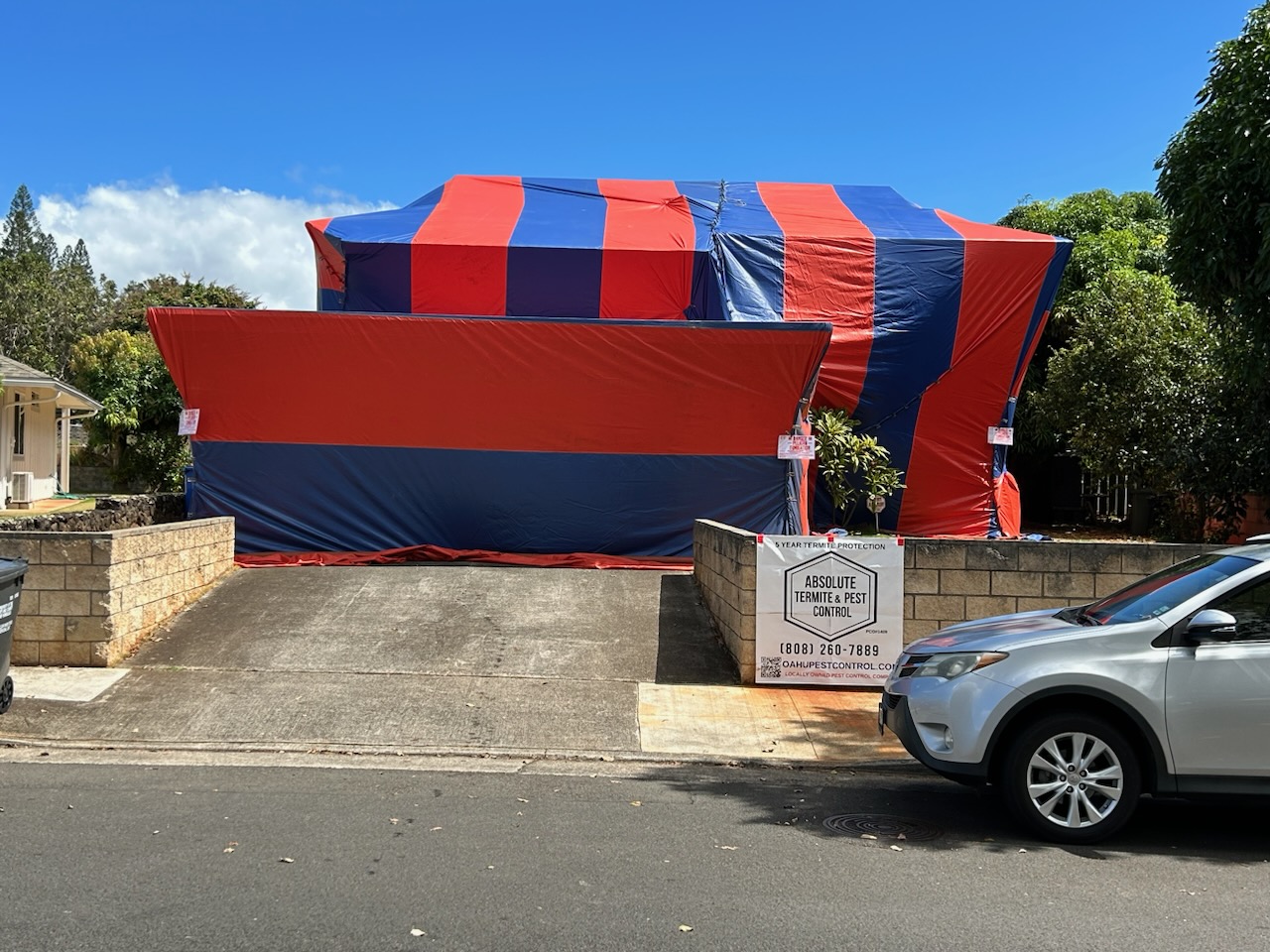
Drywood termites are treated by localized wood treatments, fumigation, or heat treatments. Fumigation involves tenting the entire structure and filling it with gas to kill termites inside wood.
DIY treatments are generally less effective for subterranean termites because the colony is underground and extensive. Drywood termite infestations can sometimes be managed with spot treatments if caught early.
Prevention Tips
Preventing termite infestations starts with understanding their preferences:
For subterranean termites, reduce wood-to-soil contact by using concrete or metal barriers. Fix leaks and improve drainage to keep soil dry.
For drywood termites, inspect and seal cracks in wood surfaces, especially in attics and furniture. Avoid bringing in infested wood or firewood indoors.
Regular inspections by a pest professional can catch infestations early, especially in termite-prone regions.
Why Knowing the Difference Matters
Misidentifying the termite type can lead to ineffective treatments and ongoing damage. For example, using soil treatments alone will not eliminate drywood termites inside furniture. Conversely, fumigating a home for subterranean termites without addressing soil colonies will not prevent re-infestation.
Understanding these differences helps homeowners and pest control professionals choose the right strategy, saving money and protecting property value.

Comments