


Why DIY Pest Control Might Be More Expensive Than You Think
- Absolute Pest Control Hawaii PCO#1409
- Mar 9
- 3 min read
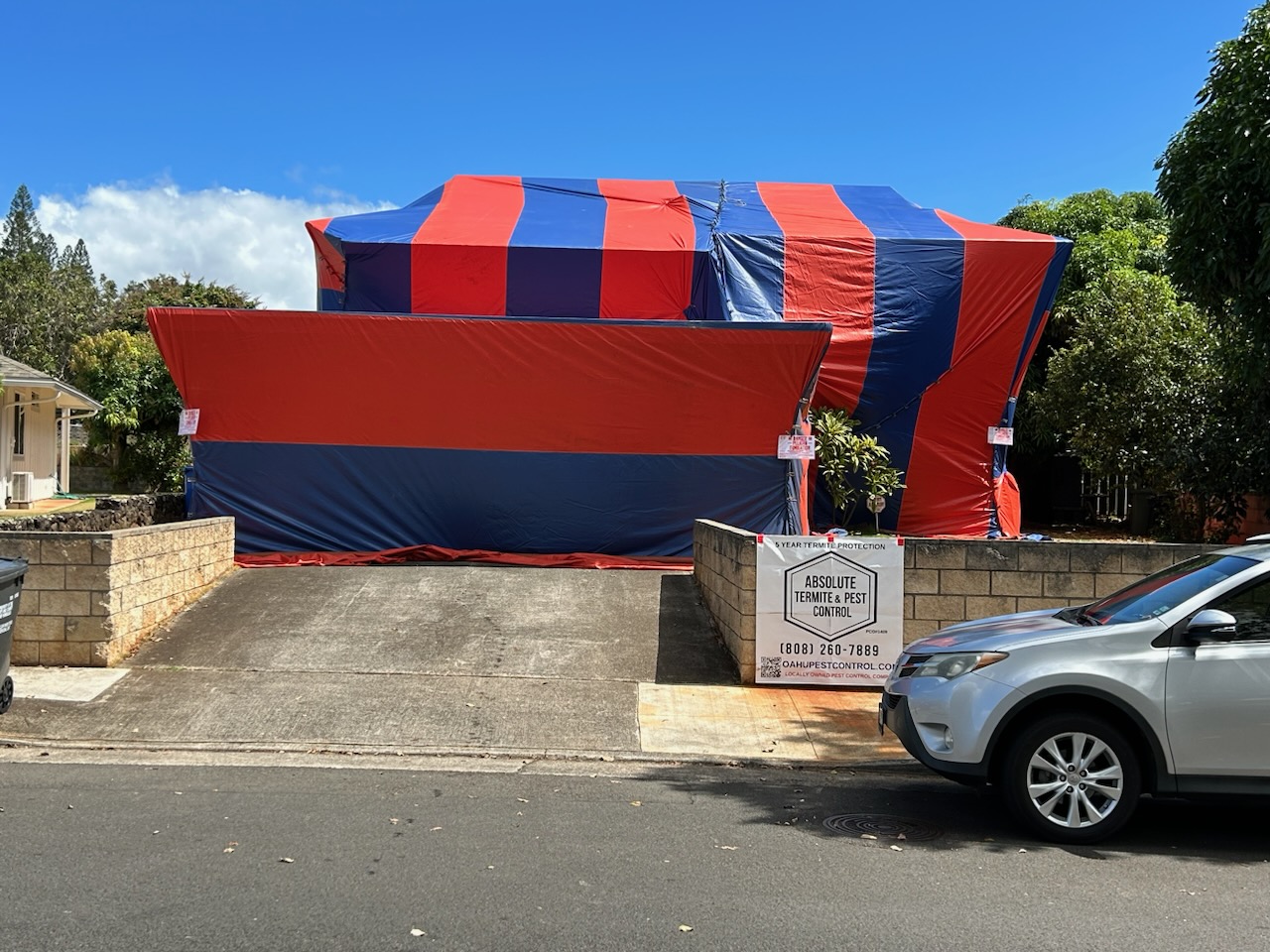
Pest problems can feel urgent and frustrating. When insects or rodents invade your home, the first instinct might be to handle the issue yourself. After all, DIY pest control seems like a quick and affordable solution. But what if trying to save money on pest control actually ends up costing you more in the long run? This post explores the main reasons why DIY pest control can backfire and lead to higher expenses, helping you make a smarter choice for your home and budget.

Hidden Costs of DIY Pest Control
At first glance, buying a few sprays or traps from the store looks cheaper than hiring a professional. However, the costs of DIY pest control often go beyond the price of products. Here are some hidden expenses many homeowners overlook:
Repeated Purchases: Over-the-counter products may not fully solve the problem. You might need to buy multiple types of sprays, baits, or traps to cover all pests or try different brands when the first attempt fails.
Property Damage: Incorrect use of chemicals can damage furniture, flooring, or walls. For example, some pesticides stain surfaces or cause corrosion if applied improperly.
Health Risks: Using strong chemicals without proper knowledge can expose your family and pets to harmful substances. This might lead to medical bills or the need for professional cleaning.
Time Investment: DIY pest control takes time to research, apply, and monitor. If treatments don’t work, you spend even more time trying new methods.
These costs add up quickly, often surpassing the price of professional pest control services.
Ineffective Treatments Can Make Problems Worse
Pests are resilient and adapt quickly. Without expert knowledge, DIY treatments often fail to eliminate the entire infestation. Partial treatments can cause pests to scatter and hide in harder-to-reach places, making the problem worse.
For example, using a spray that kills only adult insects but not eggs means the infestation will return soon. Or, applying bait incorrectly might not attract pests, wasting the product and allowing the colony to grow. This cycle leads to repeated treatments and escalating costs.
Professionals understand pest behavior and biology. They use targeted methods that address the root cause, not just the visible signs. This approach reduces the chance of reinfestation and saves money over time.
Safety Concerns and Legal Restrictions
Many pest control chemicals require careful handling and specific application methods. DIY users may not have the right protective gear or knowledge to apply these safely. This can lead to accidental poisoning, chemical burns, or environmental contamination.
In some areas, certain pesticides are restricted or require certification to use. Homeowners applying these products illegally risk fines or legal trouble. Professionals are licensed and trained to comply with regulations, ensuring safe and legal pest control.
Missed Early Detection and Prevention Opportunities
Pest control is not just about killing bugs or rodents. It also involves identifying entry points, moisture problems, or food sources that attract pests. DIY efforts often focus only on visible pests, missing underlying causes.
Professionals conduct thorough inspections to find hidden nests, structural weaknesses, or sanitation issues. They provide advice on prevention measures that reduce future infestations. Without this guidance, homeowners may face recurring pest problems and ongoing expenses.
When to Call a Professional
DIY pest control might work for very minor issues, like a few ants or fruit flies. But for larger infestations or persistent pests, professional help is usually more cost-effective. Here are signs that it’s time to call an expert:
You see multiple types of pests or signs of a large colony
DIY treatments have not reduced the problem after several attempts
You notice damage to your home’s structure or belongings
You have concerns about chemical safety or legal restrictions
You want a long-term solution with prevention advice
Professionals use specialized equipment and products not available to the public. Their experience allows them to solve problems faster and with fewer risks.
Practical Tips to Avoid DIY Pitfalls
If you decide to try DIY pest control, keep these tips in mind to avoid extra costs:
Identify the pest correctly before buying products. Different pests require different treatments.
Follow product instructions carefully to avoid damage or health risks.
Use protective gear like gloves and masks when handling chemicals.
Avoid overusing pesticides; more is not always better.
Monitor the results and be ready to call a professional if the problem persists.
Final Thoughts
Trying to save money with DIY pest control can seem smart, but it often leads to repeated expenses, property damage, and health risks. Pest problems require precise knowledge and careful treatment to solve effectively. Professionals offer safer, more reliable, and often cheaper solutions in the long run.


Comments