










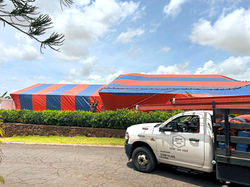





The Hidden Dangers of Skipping Tent Fumigation for Drywood Termites
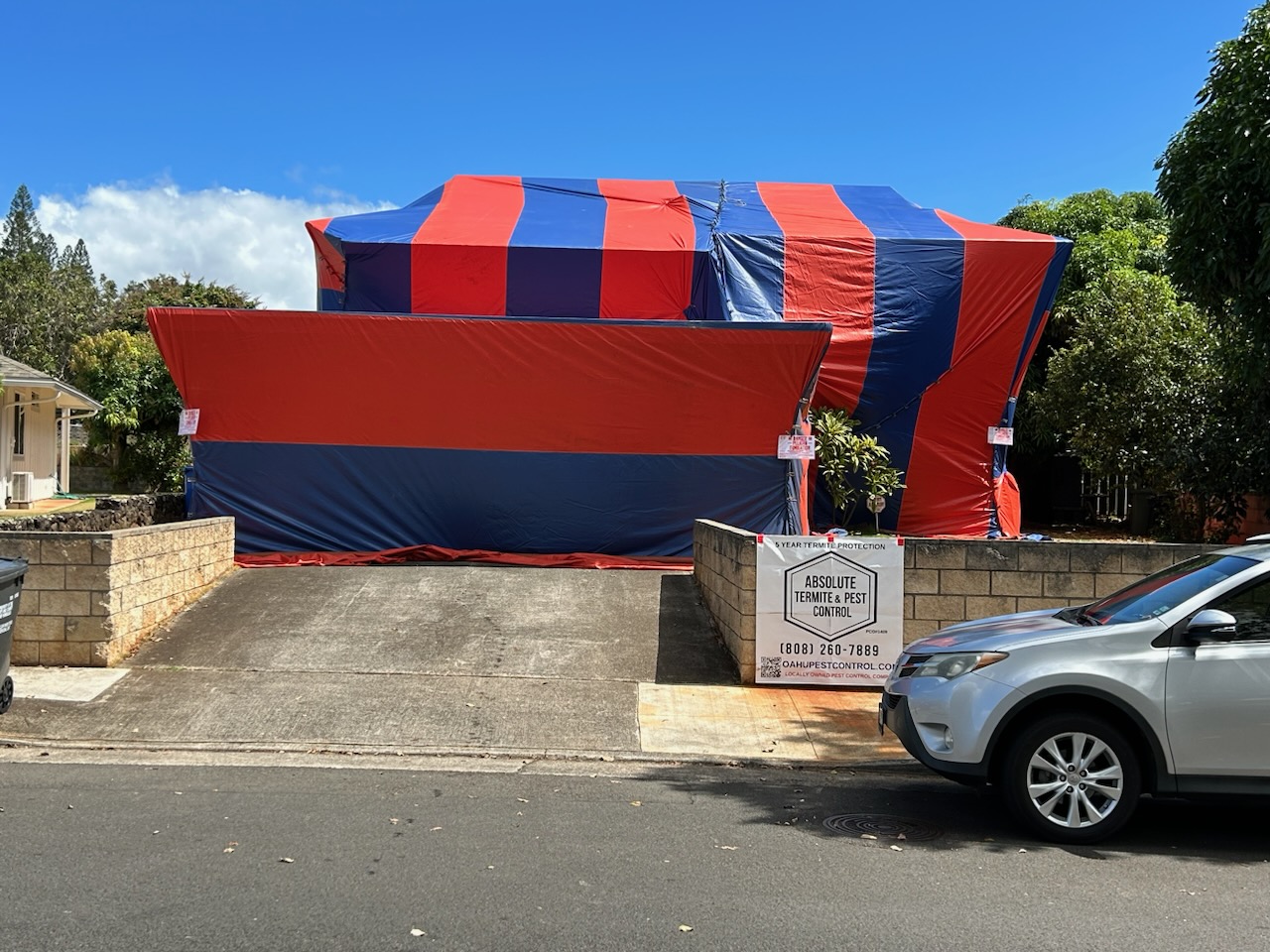
Termites silently destroy homes every year, causing billions of dollars in damage. Drywood termites, in particular, are notorious for infesting wooden structures without obvious signs until the damage is severe. Tent fumigation remains one of the most effective ways to eliminate these pests completely. Avoiding this treatment can lead to costly consequences that homeowners often underestimate.

Why Drywood Termites Are a Serious Threat
Drywood termites live inside dry wood, feeding on the cellulose and hollowing out beams, floors, and furniture. Unlike subterranean termites, they do not require contact with soil, making them harder to detect and control. Their colonies can grow deep inside wood, creating tunnels and galleries that weaken structural integrity.
Signs of infestation often appear late, such as:
Tiny holes in wood surfaces
Piles of termite droppings (frass)
Hollow-sounding wood when tapped
Blistered or damaged wood finishes
Ignoring these signs or attempting partial treatments can allow termites to continue spreading unnoticed.
How Tent Fumigation Works
Tent fumigation involves enclosing the entire structure in a large tent and releasing a gas that penetrates all wood and hidden spaces. This gas kills termites at every life stage, including eggs, larvae, and adults. The process usually takes 24 to 72 hours, after which the home is ventilated thoroughly.
This method is highly effective because:
The gas reaches deep inside wood where sprays cannot penetrate
It treats the entire structure, eliminating all colonies at once
It prevents reinfestation by killing termites before they swarm
Risks of Avoiding Tent Fumigation
Choosing not to fumigate can seem like a way to save money or avoid inconvenience. However, this decision often leads to far greater problems:
Incomplete Termite Elimination
Spot treatments or localized sprays only kill termites on contact. Drywood termites inside walls or beams remain untouched, allowing colonies to survive and grow. This incomplete elimination means the infestation will return, often worse than before.
Structural Damage Escalates
Termites weaken wood slowly but steadily. Without full treatment, damage accumulates over months or years. This can lead to:
Sagging floors and ceilings
Cracked walls and door frames
Compromised support beams
Repairing termite damage can cost thousands of dollars, far exceeding the cost of fumigation.
Decreased Home Value
Homes with termite damage or ongoing infestations lose market value. Potential buyers often request inspections and may back out if termites are detected. Avoiding fumigation risks long-term financial loss when selling your property.
Health and Safety Concerns
Damaged wood can create hazards such as collapsing floors or ceilings. Additionally, untreated infestations may attract other pests like carpenter ants or rodents. Tent fumigation ensures a safer living environment by removing the root cause.
Practical Examples of Consequences
Consider a homeowner who noticed small piles of termite droppings but opted for spot treatment instead of fumigation. Within a year, the termites spread to the main support beams. The homeowner faced a $15,000 repair bill and had to schedule fumigation anyway.
In another case, a family delayed fumigation due to the inconvenience of vacating their home. The infestation worsened, causing ceiling collapse in one room. The emergency repairs and fumigation costs combined were triple the original fumigation estimate.
What Homeowners Should Do
If you suspect drywood termites, take these steps:
Schedule a professional termite inspection immediately
Discuss treatment options with a licensed pest control expert
Prioritize tent fumigation for complete eradication
Prepare your home according to fumigation guidelines to minimize disruption
Follow up with regular inspections to catch any future infestations early


Comments