














Understanding the Key Differences Between Subterranean and Drywood Termites
Termites cause billions of dollars in damage every year, yet many homeowners struggle to identify the type of termite invading their property. Knowing whether you are dealing with subterranean termites or drywood termites is crucial for effective treatment and prevention. These two termite species differ in behavior, habitat, appearance, and the damage they cause. This post breaks down the key differences to help you recognize and address termite problems with confidence.

Habitat and Nesting Behavior
Subterranean termites live underground in large colonies that can number in the millions. They build mud tubes to travel between their nests and food sources above ground. These tubes protect them from drying out and predators. Subterranean termites require contact with soil to survive, which is why they often enter homes through cracks in foundations or wooden structures touching the ground.
Drywood termites, by contrast, do not need soil contact. They infest dry, sound wood above ground, including furniture, window frames, and attic beams. Their colonies are smaller, usually containing a few thousand termites. Drywood termites create smooth galleries inside the wood and expel tiny, hard pellets called frass through small holes as they feed.
Physical Differences
While both types of termites have similar body shapes, there are subtle differences:
Subterranean termites have darker heads and lighter bodies. Their worker termites are about 1/8 inch long with straight antennae and broad waists.
Drywood termites tend to be lighter in color, often creamy white or pale brown. Their bodies are more uniform in color, and soldiers have large, rectangular heads with strong mandibles.
Swarmers, or reproductive termites, also differ. Subterranean termite swarmers have two pairs of wings of equal length that they shed after flying. Drywood termite swarmers have longer front wings and shed them as well.
Signs of Infestation
Recognizing termite activity early can save significant repair costs. Here are signs specific to each type:
Subterranean Termites
Mud tubes on foundation walls, wooden beams, or crawl spaces
Hollow-sounding wood when tapped
Swarmers near windows or doors, especially in spring or early summer
Damaged wood with irregular tunnels filled with soil
Drywood Termites
Tiny holes in wood surfaces with piles of frass (droppings) beneath
Smooth, clean galleries inside wood without soil
Swarmers inside the home, often near light sources
Wood that sounds hollow but lacks mud tubes
Damage Patterns
Subterranean termites cause extensive damage by tunneling through wood and soil. Their mud tubes can extend several feet, allowing them to reach wood hidden from view. Because they require moisture, they often infest wood near the ground or areas with water leaks.
Drywood termites damage wood by hollowing it out from the inside, leaving a thin outer shell. This can weaken structural components and furniture. Since they do not need soil, they can infest wood in dry areas like attics or furniture far from the ground.
Treatment Approaches
Treating subterranean termites usually involves soil treatments with termiticides to create a barrier around the home. Baiting systems can also be effective by attracting and eliminating colonies underground. Because these termites rely on soil contact, disrupting their access points is key.
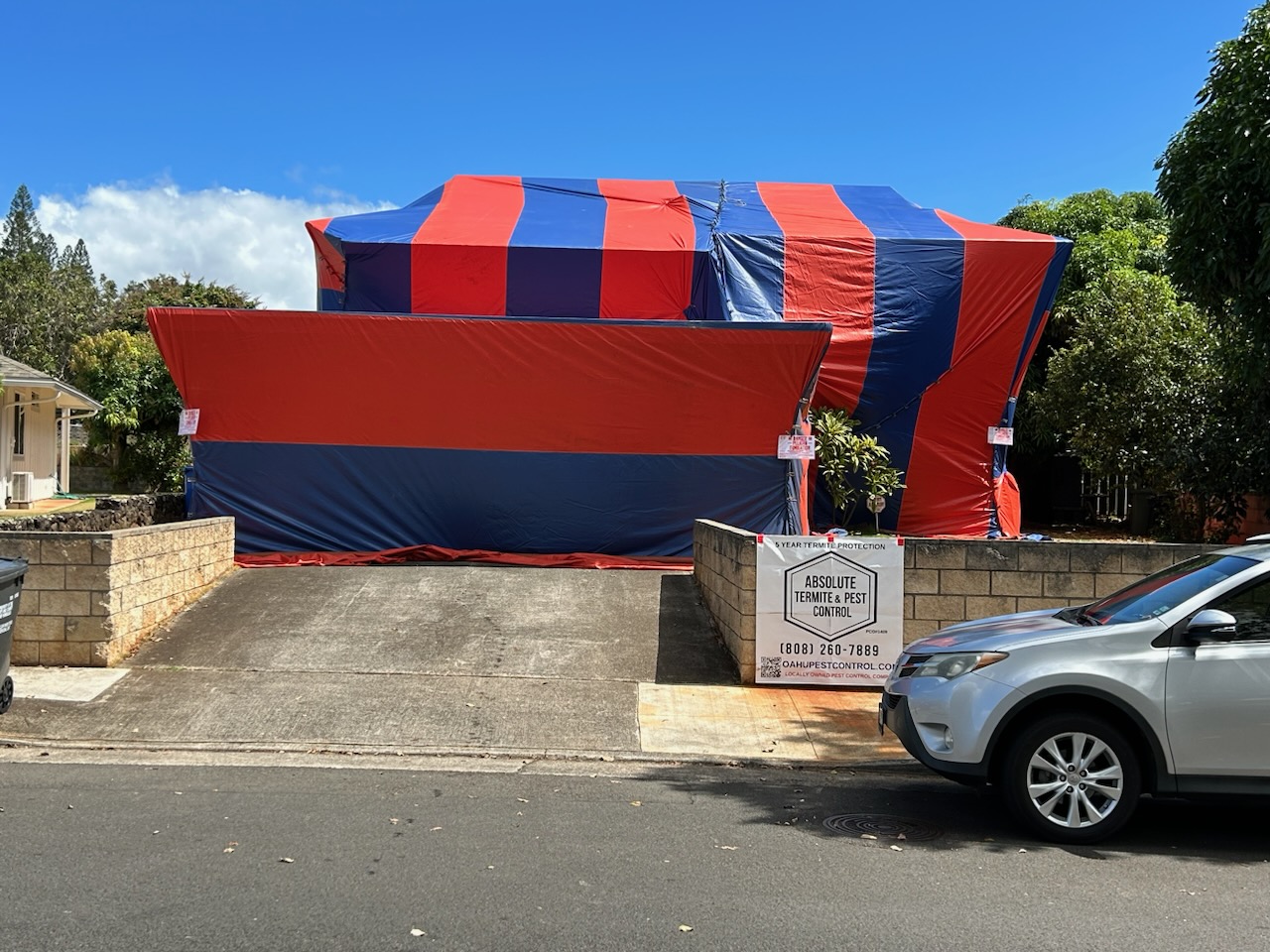
Drywood termite treatment often requires localized methods such as fumigation or heat treatment to penetrate wood and kill the colony inside. Spot treatments with insecticides may work for small infestations but are less reliable for larger colonies.
Prevention Tips
Preventing termite infestations starts with reducing conditions that attract them:
Fix leaks and reduce moisture around the foundation
Remove wood debris and keep firewood away from the house
Seal cracks and gaps in foundations and walls
Use treated wood for construction in termite-prone areas
Regularly inspect wooden structures for early signs of damage
Why Knowing the Difference Matters
Misidentifying termite species can lead to ineffective treatment and ongoing damage. For example, applying soil treatments for drywood termites will not reach their colonies inside wood. Conversely, fumigating for subterranean termites without addressing soil access points will not prevent reinfestation.
Understanding the differences helps homeowners and pest control professionals choose the right approach, saving time and money while protecting property value.


Comments