










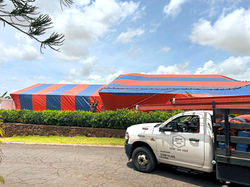





Dry Wood Termites What’s the Deal and How to Spot the Signs
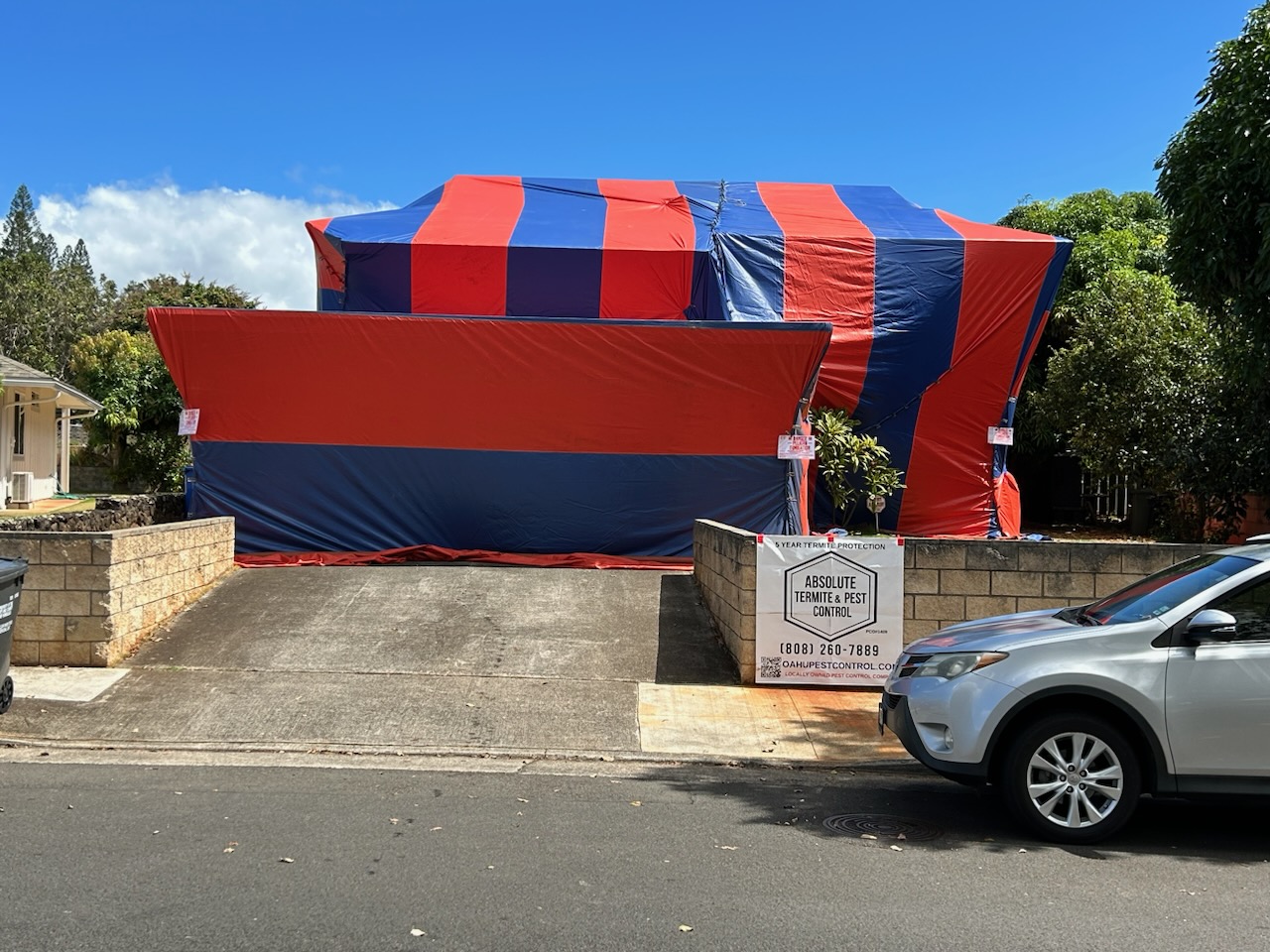
A termite problem does not always start in the soil. Some termites can move straight into dry, sound wood and live there quietly for years. That is what makes drywood termites so frustrating. They do not need a muddy trail across the foundation. They do not need a plumbing leak. They can settle into a window frame, attic beam, door trim, or piece of furniture and stay hidden while they feed.
Drywood termites are most common in warmer coastal and southern regions of the United States, but wood shipped from one place to another can carry them farther. The good news is that they leave clues. The trick is knowing what those clues look like before damage becomes obvious.
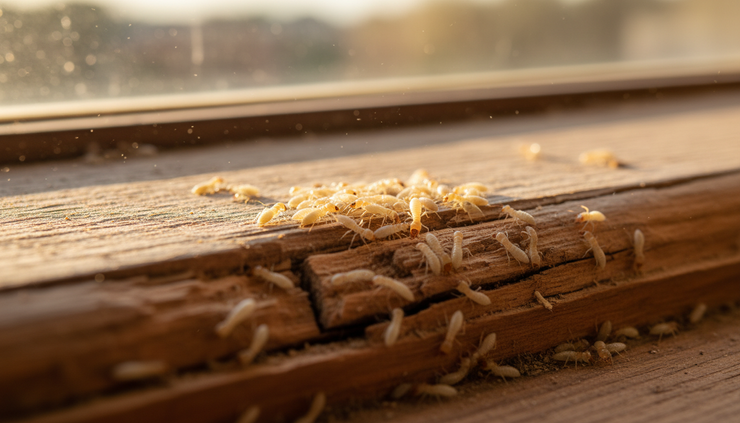
What makes drywood termites different
Drywood termites are different from subterranean termites, the type many people picture first. Subterranean termites live in soil and travel through mud tubes to reach wood. Drywood termites live inside the wood itself. A colony can survive with very little moisture because the termites get what they need from the wood and the humidity in the air.
That one difference changes almost everything about finding them.
You may not see mud tubes along the foundation. You may not notice moisture damage nearby. A dry, painted board can look normal from the outside while termites hollow it out from the inside.
A drywood termite colony also grows more slowly than many subterranean colonies. That can make the problem feel less urgent at first, but it also means the infestation can sit unnoticed for a long time. By the time the signs are easy to spot, the colony may already be well established.
Common places they infest include:
Window frames and door frames
Attic rafters and exposed beams
Baseboards, trim, and molding
Hardwood flooring
Wooden furniture
Eaves, fascia boards, and siding
Stored lumber or wooden décor
Drywood termites do not care whether the wood is part of the structure or part of a chair. If it is dry wood with enough room to build galleries, it can become a target.
The biggest sign is tiny termite pellets
The most classic sign of drywood termites is frass. Frass is termite waste, but it does not look like a smear or stain. It looks like tiny, hard pellets.
These pellets are often mistaken for sawdust, coffee grounds, pepper, or sand. Look closer and they are usually more uniform than dust. Drywood termite pellets may be tan, brown, reddish, or almost black depending on the type of wood the termites are eating.
Termites push these pellets out through small openings called kick-out holes. That is why frass often appears in small piles below an infested piece of wood.
Check these areas carefully:
Windowsills and baseboards
Floor edges near walls
Under wooden furniture
Inside cabinets
Around attic access points
Beneath exposed beams
If you clean up the pellets and they come back, that is a strong warning sign. Fresh piles suggest active termites are still pushing material out of the wood.

Swarmers can show up inside the house
Another sign is a termite swarmer, also called an alate. These are winged reproductive termites that leave a colony to start new ones. People often mistake them for flying ants.
Drywood termite swarmers may appear near windows, sliding doors, light fixtures, or other bright areas. They are drawn to light, so dead swarmers may collect on windowsills or floors.
One of the easier clues is discarded wings. After termites swarm, they often shed their wings. The wings are usually similar in size and may look like tiny clear fish scales.
Flying ants and termite swarmers look similar at a glance, but there are differences:
Termite swarmer | Flying ant |
Straight or thick waist | Pinched waist |
Straight antennae | Bent antennae |
Wings are similar in length | Front wings are longer |
Body often looks soft and pale to brown | Body usually looks harder and darker |
Seeing one winged insect does not always mean there is a full infestation in that exact spot. Seeing several, or finding piles of wings indoors, deserves a closer look.
Wood damage can be quiet until it is not
Drywood termites eat across and along the grain of wood, creating hollow chambers called galleries. From the outside, the surface may stay intact for a long time. Paint can hide damage. Varnish can hide damage. A clean-looking beam can still be weak inside.
Signs of hidden wood damage include:
Wood that sounds hollow when tapped
Thin blistered paint or a slightly rippled surface
Trim that dents too easily
Doors or windows that suddenly fit poorly
Small round or oval kick-out holes
Cracking wood with no clear moisture source
A screwdriver test can sometimes reveal soft or hollow spots, but use care. Probing finished trim or structural wood can cause damage. If the area might be load-bearing, skip the poking and call a qualified pest professional or contractor.

Drywood termites are especially tricky because the visible sign may appear several feet from the main galleries. Pellets fall where termites push them out, not always where the heaviest damage is located.
What to do when the signs point to termites
Finding pellets, wings, or suspicious wood damage does not mean the house is doomed. It does mean the next step should be careful and prompt.
Start by saving the evidence. Place a few pellets, wings, or insects in a small bag or container. Take clear photos of where you found them. That makes identification easier, especially if the signs disappear after cleaning.
Next, avoid spraying random products into holes or cracks. Store-bought sprays may kill a few visible insects, but they often miss the colony inside the wood. They can also scatter termites deeper into hidden areas, which makes the problem harder to evaluate.
A professional inspection can help answer three key questions:
Is it really drywood termites?
Is the infestation active?
Is the problem isolated or spread across multiple areas?
Treatment depends on the size and location of the infestation. A small, localized issue may be handled with targeted treatment or removal of infested wood. A widespread infestation may require a larger treatment plan. The right choice depends on the structure, access, and how far the termites have moved.
Prevention also matters. Seal cracks and gaps around trim, vents, and rooflines. Keep exposed wood painted or sealed. Inspect used wooden furniture before bringing it indoors. Store firewood away from the house and off the ground, even though drywood termites do not need soil contact.

The simple takeaway
Drywood termites are quiet pests, but they are not invisible. Their best-known clues are pellet-like frass, discarded wings, swarmers near light, tiny kick-out holes, and wood that sounds hollow or feels weaker than it should.
The main thing is not to ignore small signs. A little pile of “sawdust” that keeps coming back may be much more than dust. Check the area, save a sample, take photos, and get a proper identification before damage spreads. Early attention can turn a major repair into a manageable pest problem.


Comments