














Understanding the Damage Caused by Drywood Termites in Your Home
Drywood termites are silent invaders that can cause serious damage to your home before you even notice their presence. Unlike subterranean termites that require contact with soil, drywood termites live entirely inside the wood they infest. This makes them harder to detect and control, leading to costly repairs if left unchecked. Understanding what drywood termites do to your home is essential for protecting your investment and maintaining a safe living environment.

How Drywood Termites Infest Your Home
Drywood termites enter your home through small cracks or gaps in wooden structures, often unnoticed. They prefer dry, sound wood and can infest furniture, flooring, framing, and even decorative woodwork. Once inside, they establish colonies that can range from a few hundred to several thousand termites.
These insects do not require contact with soil or moisture, which means they can thrive in attic spaces, wall voids, and other dry areas. Their ability to survive in dry wood makes them particularly dangerous because they can remain hidden for years, slowly eating away at the wood.
Signs of Drywood Termite Activity
Detecting drywood termites early can save you thousands of dollars in repairs. Here are some common signs to watch for:
Small holes in wood surfaces: Drywood termites create tiny exit holes, usually about 1/16 inch in diameter, to expel their waste.
Frass piles: These are small, pellet-like droppings that accumulate near infested wood. They look like sawdust but have a distinct shape.
Hollow-sounding wood: Tapping on wood that sounds hollow may indicate internal damage.
Swarmers or discarded wings: Drywood termite swarmers emerge to start new colonies. Finding discarded wings near windows or doors is a red flag.
If you notice any of these signs, it’s important to act quickly and consult a pest control professional.
The Damage Drywood Termites Cause
Drywood termites feed on the cellulose found in wood, tunneling through it and creating galleries. This feeding behavior weakens the structural integrity of the wood, which can lead to serious problems:
Compromised structural support: Termites can damage load-bearing beams, joists, and studs, putting your home’s stability at risk.
Damaged furniture and cabinetry: Infested wooden furniture may develop holes, cracks, or become fragile.
Aesthetic damage: Visible holes, blistered wood surfaces, and frass piles can ruin the appearance of your home’s interior.
Reduced property value: Homes with termite damage often lose market value and can be harder to sell.
The damage often goes unnoticed until it becomes severe because drywood termites stay hidden inside the wood. This hidden destruction makes regular inspections critical.
How Drywood Termites Differ from Other Termites
Understanding the difference between drywood termites and other types helps in identifying the right treatment:
Drywood termites live inside dry wood and do not need soil contact.
Subterranean termites build mud tubes and require moist soil to survive.
Dampwood termites infest wood with high moisture content, often in decaying wood.
Drywood termites’ ability to live entirely within wood means they can infest parts of your home that other termites cannot reach easily, such as attic rafters or furniture.
Preventing and Managing Drywood Termite Infestations
Prevention is the best defense against drywood termites. Here are practical steps to protect your home:
Seal cracks and gaps: Inspect your home’s exterior and seal any openings in wood surfaces or around windows and doors.
Reduce wood-to-wood contact: Avoid direct contact between wooden parts of your home and soil or other wood.
Maintain good ventilation: Proper airflow reduces moisture buildup, making your home less attractive to termites.
Regular inspections: Schedule professional termite inspections at least once a year, especially if you live in a termite-prone area.
Treat infested wood: If termites are detected, treatments like localized fumigation, heat treatment, or chemical applications can eliminate colonies.
DIY treatments are often ineffective against drywood termites because of their hidden nature. Professional pest control services have specialized tools and knowledge to target these pests effectively.
What to Expect During Professional Treatment
When you hire a pest control expert, they will first conduct a thorough inspection to locate all infested areas. Treatment options may include:
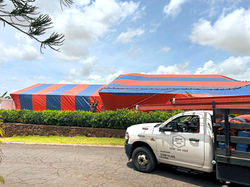
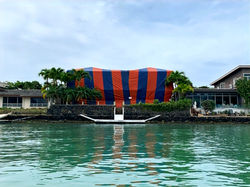
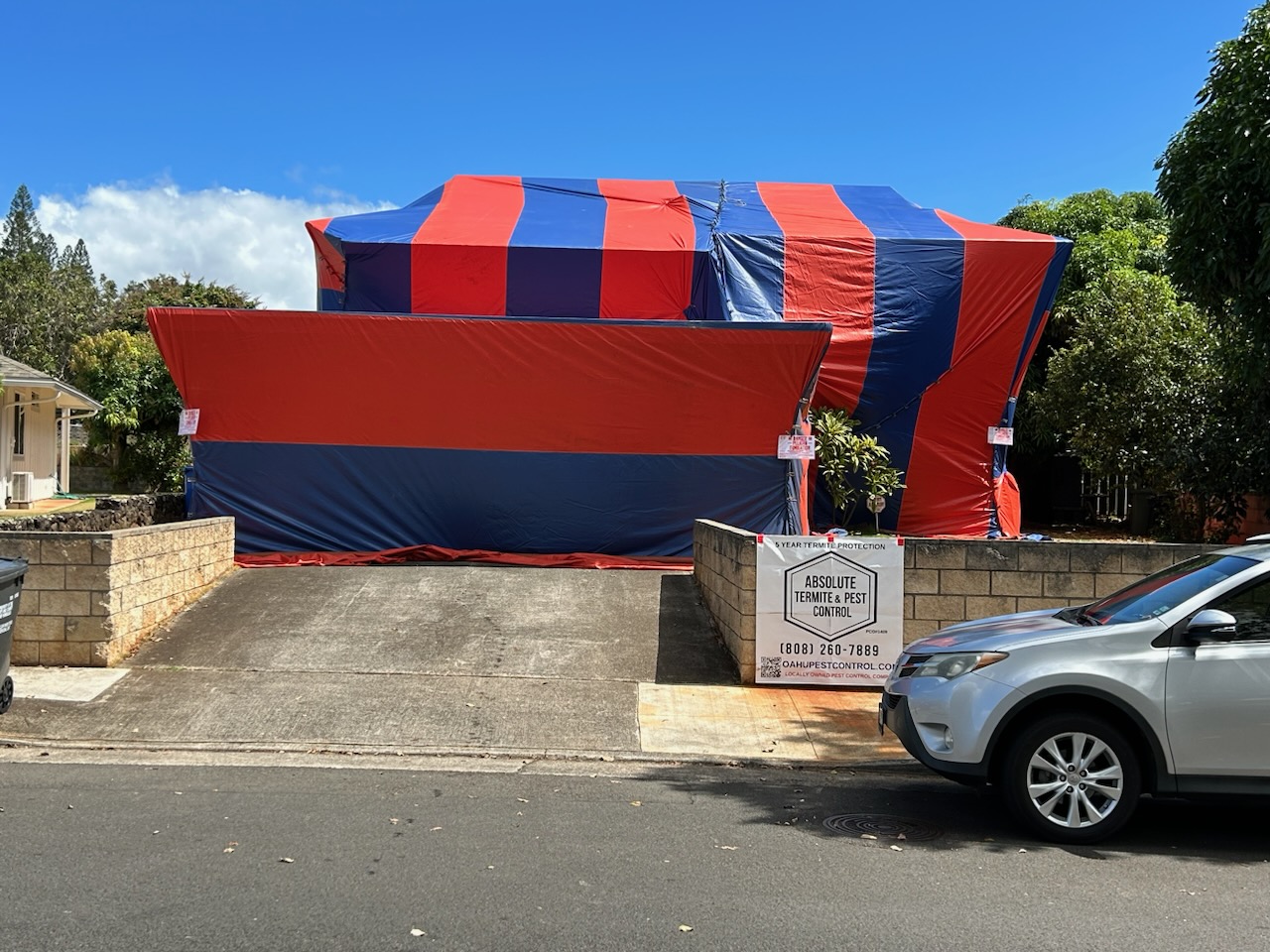
Fumigation: This involves tenting the entire structure and filling it with gas to kill termites inside the wood.
Heat treatment: Raising the temperature of infested wood to a lethal level for termites.
Localized chemical treatment: Injecting termiticides directly into infested wood or applying surface treatments.
The choice of treatment depends on the extent of the infestation and the structure of your home. Professionals will also provide advice on preventing future infestations.
The Cost of Ignoring Drywood Termites
Ignoring drywood termite damage can lead to escalating repair costs. Structural repairs, replacing damaged wood, and restoring furniture can quickly add up. In some cases, termite damage can compromise the safety of your home, requiring extensive renovations.
Insurance policies often do not cover termite damage, so prevention and early treatment are crucial. Investing in regular inspections and prompt treatment saves money and stress in the long run.


Comments