
















Firefly's...Fourth Of July's Insect, Did you Know?

Fireflies are a magical part of summer nights, especially around the Fourth of July. Their gentle glow lights up the darkness, creating a natural fireworks show that many people cherish. But beyond their enchanting light, fireflies have fascinating traits and behaviors that many don’t know about. This post explores the world of fireflies, their connection to the Fourth of July, and some surprising facts that might change the way you see these glowing insects.
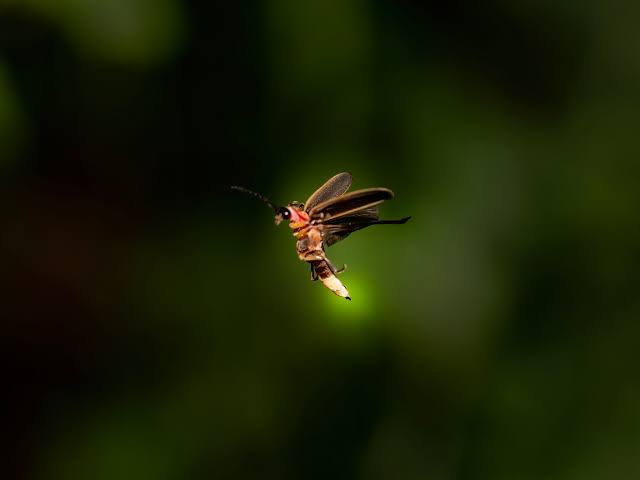
Why Fireflies Are Called Fourth Of July's Insect
In many parts of the United States, fireflies are most active during the warm summer months, especially around early July. Their glowing lights often coincide with Independence Day celebrations, making them a natural symbol of summer nights and festive evenings. People often associate fireflies with the Fourth of July because:
Their light shows resemble tiny fireworks.
They appear in large numbers during this time.
Their presence adds to the nostalgic feeling of summer evenings outdoors.
This connection has led to fireflies being nicknamed the “Fourth of July’s insect,” a title that celebrates their role in summer traditions.
How Fireflies Create Their Glow
The light fireflies produce is called bioluminescence. It happens through a chemical reaction inside their bodies involving luciferin, an enzyme called luciferase, oxygen, and ATP (a molecule that provides energy). This reaction creates light without heat, which is why fireflies can glow without burning themselves.
The glow serves several purposes:
Attracting mates: Each species of firefly has a unique flashing pattern to find partners.
Warning predators: Some fireflies use their light to signal that they taste bad or are toxic.
Communication: Fireflies can use light signals to communicate with each other in the dark.
This natural light is energy-efficient and can be brighter than many artificial lights of the same size.
Different Types of Fireflies and Their Habits
Not all fireflies look or behave the same. There are over 2,000 species worldwide, and they vary in size, color, and flashing patterns. Some common types found in North America include:
Photinus: Known for their quick, rhythmic flashes.
Photuris: These fireflies mimic the flash patterns of other species to lure and eat them.
Pyractomena: They have a steady glow rather than flashing.
Fireflies usually live in moist environments like forests, fields, and near water. Their larvae, often called glowworms, also glow and live underground or in leaf litter, feeding on small insects and snails.
How to Enjoy Fireflies Responsibly
Watching fireflies can be a magical experience, but it’s important to protect them and their habitats. Here are some tips to enjoy fireflies without harming them:
Avoid using bright flashlights or phone lights that can confuse fireflies.
Don’t catch or keep fireflies in jars for long periods; they need to be free to survive.
Preserve natural habitats by avoiding pesticide use and protecting wetlands.
Plant native flowers and shrubs to support the insects’ ecosystem.
By respecting fireflies, you help ensure that future generations can enjoy their glowing displays.
Fireflies and Science: What Researchers Are Learning
Scientists study fireflies not only because of their beauty but also for their unique bioluminescence. Research on firefly light has led to advances in:
Medical imaging: Firefly enzymes help create glowing markers to track diseases.
Environmental monitoring: Bioluminescent markers can detect pollution.
Biotechnology: Understanding firefly light helps develop new lighting and sensor technologies.
These discoveries show how nature’s designs can inspire useful innovations.
Fireflies in Culture and Folklore
Fireflies have inspired stories, poems, and traditions worldwide. In some cultures, they symbolize hope, love, or the souls of ancestors. In the United States, their appearance during summer nights often brings back childhood memories and a sense of wonder.
For example:
In Japan, fireflies are celebrated in festivals and are seen as symbols of fleeting beauty.
Native American legends sometimes describe fireflies as messengers or guides.
Many families enjoy firefly-catching as a summer pastime, passing down the tradition through generations.
These cultural connections deepen our appreciation for fireflies beyond their glowing light.
What You Can Do to Help Fireflies Thrive
Firefly populations face threats from habitat loss, light pollution, and pesticides. You can help by:
Reducing outdoor lighting at night to preserve dark skies.
Supporting conservation efforts that protect natural habitats.
Educating others about the importance of fireflies.
Creating firefly-friendly gardens with native plants and moist soil.
Small actions can make a big difference in keeping fireflies shining bright for years to come.


Comments